

Who Needs NFPA 70E Training at Work?
- Alfred Craig

- Jun 20
- 5 min read
A surprising number of electrical injuries involve people who do not think of themselves as "electrical workers." That is why the question who needs NFPA 70E training matters so much. In many facilities, exposure to shock and arc flash hazards reaches beyond electricians and into maintenance, operations, engineering, and supervision.
Who Needs NFPA 70E Training?
The short answer is this: anyone whose work places them at risk from electrical hazards, or anyone responsible for managing that risk, may need NFPA 70E training. The exact training level depends on the person’s job duties, the equipment involved, and whether the employee may be exposed to energized conductors or circuit parts.
NFPA 70E is built around hazard exposure, not job titles alone. A person can hold the title of maintenance technician, mechanic, engineer, or supervisor and still need training if their tasks bring them near energized equipment. On the other hand, an office employee with no exposure to electrical hazards would not need the same level of instruction.
This is where many organizations get into trouble. They assume training applies only to in-house electricians. In practice, the standard reaches much further because exposure can occur during troubleshooting, voltage testing, equipment resetting, panel access, infrared inspections, meter work, and tasks performed near energized components.
Qualified vs. Unqualified Workers
A useful starting point is NFPA 70E’s distinction between qualified and unqualified persons. A qualified person has the skills and knowledge related to the construction and operation of electrical equipment and has received safety training to identify and avoid the hazards involved. An unqualified person has not received that level of training.
That distinction matters because both groups may need training, but not the same training. Qualified persons need task-specific instruction on shock risk, arc flash risk, approach boundaries, PPE selection, energized work practices, and the safe use of tools and test instruments. Unqualified persons still need enough training to understand the hazards present and the limits they must not cross.
If a worker might open equipment, perform diagnostics, take measurements, interact with exposed energized parts, or work within restricted approach boundaries, the training requirement becomes much more serious. If a worker only operates equipment under normal operating conditions, the requirement may be narrower. The difference often comes down to what the employee actually does in the field, not what appears on an org chart.
Roles That Commonly Need NFPA 70E Training
Electricians are the most obvious group, but they are not the only one. Industrial maintenance technicians often need NFPA 70E training because they troubleshoot motors, drives, control panels, and disconnects. Instrumentation and controls personnel may also need it when they test live circuits or access energized enclosures.
Electrical contractors and subcontractors working on-site generally need training that aligns with the hazards and work practices they will encounter. A host employer cannot assume a contractor’s general electrical experience is enough. The site’s equipment, available incident energy, labeling, work rules, and lockout/tagout procedures all affect what training is necessary.
Engineers can be overlooked, especially in facilities where they perform startup support, diagnostics, commissioning, or field verification. If they interact with energized equipment or direct others performing that work, training is warranted. Similarly, maintenance supervisors and facility managers may need NFPA 70E training even if they do not turn the screwdriver themselves. If they approve work practices, assign tasks, evaluate staffing, or enforce electrical safety rules, they need a working understanding of the standard.
EHS professionals fall into a similar category. They may not perform electrical work, but they are often responsible for auditing programs, developing procedures, supporting incident investigations, and verifying that hazard controls are in place. Without NFPA 70E training, it is difficult to evaluate whether the site’s electrical safety program is functioning as intended.
Operators may also need training in some facilities. If machine operators reset breakers, open disconnects, interact with industrial control panels, or work around equipment that may not be in normal operating condition, they need instruction matched to those risks. The same applies to mechanics and multi-craft technicians in plants where job boundaries blur.
Who Needs NFPA 70E Training Beyond the Electrical Department?
This is often the real compliance question. NFPA 70E training is not confined to the electrical shop because electrical hazards are not confined there either.
Housekeeping staff, production personnel, and general laborers usually do not need qualified-person training, but they may need awareness training if they work in areas with exposed electrical hazards, temporary power setups, battery systems, or restricted equipment rooms. Security and emergency response personnel may also need awareness-level instruction so they understand access restrictions and emergency procedures.
Temporary workers deserve special attention. In some facilities, they are assigned support tasks near energized equipment without a clear understanding of boundaries or warning labels. If their work environment exposes them to electrical hazards, they cannot be left out of the training plan simply because they are not permanent employees.
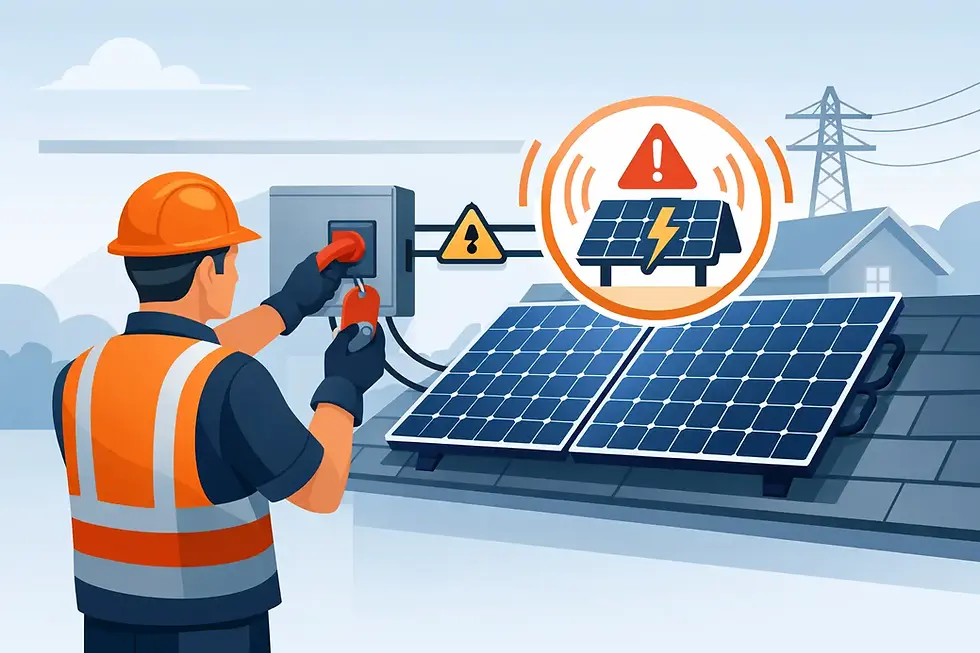
The same principle applies to outside service providers. HVAC technicians, elevator contractors, solar technicians, generator service personnel, and OEM representatives may all encounter electrical hazards during service work. Their employer has responsibilities, but so does the host facility when coordinating known hazards, site rules, and safe work expectations.
Training Should Match Actual Exposure
One of the most common mistakes is treating NFPA 70E training as a box to check once for the entire workforce. That approach creates two problems. First, some people receive too little training for the hazards they face. Second, others receive generic training that does not help them perform their jobs safely.
A stronger approach is to align training with real tasks. An electrician performing energized diagnostics needs more than an overview. That person needs instruction tied to risk assessment procedures, PPE categories or incident energy data, shock boundaries, equipment labeling, and justified energized work practices. A supervisor may need different content focused on policy enforcement, audit expectations, and job planning.
This is also where site-specific conditions matter. The presence of arc flash labels, updated one-lines, lockout/tagout procedures, equipment condition issues, and maintenance history all affect how useful the training will be. Generic instruction has limited value if it does not connect to the actual equipment and hazards employees face every day.
Refresher Training Is Not Optional
NFPA 70E training is not a one-time event. Employees need retraining at intervals not to exceed three years, and earlier when job duties change, new equipment is introduced, procedures are revised, or supervision identifies that safe work practices are not being followed.
That matters because electrical safety programs tend to drift over time. People develop shortcuts. Equipment gets modified. Labels become outdated. New supervisors inherit responsibilities they were never fully trained to manage. Refresher training helps correct that drift before it turns into an incident.
Facilities should also treat incidents, near misses, and audit findings as indicators that retraining may be needed. If a worker crosses a boundary without authorization, uses the wrong PPE, or bypasses a lockout step, the problem is rarely just individual behavior. It often points to a training or program gap.
What Employers Should Review Now
If you are trying to determine who needs NFPA 70E training, start with job tasks rather than titles. Review who opens electrical enclosures, who performs testing, who troubleshoots controls, who operates equipment under abnormal conditions, and who supervises or authorizes that work. Then compare those duties against your electrical safety program, available hazard data, and site procedures.
It is also worth reviewing whether your labels, documentation, and training content tell the same story. Arc flash and shock warning labels, lockout/tagout instructions, and maintenance procedures should support the training rather than contradict it. When those elements are aligned, workers are more likely to make correct decisions at the point of use.
For many organizations, this review reveals that the training audience is broader than expected. That is not a sign of overreach. It is a sign that the facility is looking honestly at how electrical work and electrical exposure actually occur.
A serious electrical safety program does not wait for an incident to clarify who should have been trained. It identifies exposure early, trains to the real hazard, and gives every affected worker a clear understanding of the limits, procedures, and protective measures their job requires.


Comments